
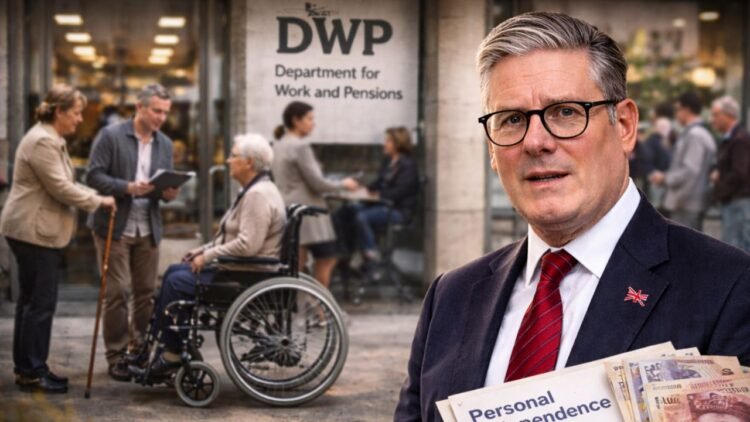
The UK disability benefits reform debate has taken center stage as Prime Minister Keir Starmer signals important changes to Personal Independence Payment (PIP) rules. The government says the planned reforms are designed to protect around 700,000 existing claimants while also reshaping how disability support works in the future.
This development has sparked strong reactions across the country. Disability charities, policymakers, and claimants are closely watching how these proposed PIP changes will affect financial security, eligibility assessments, and long-term welfare planning. In this detailed guide, we break down what the reforms mean, who could benefit, and what may change in the months ahead.
Understanding Personal Independence Payment (PIP)
What Is PIP?

Personal Independence Payment (PIP) is a UK government benefit that helps people with long-term physical or mental health conditions manage extra living costs. It is not based on income or savings. Instead, eligibility depends on how a condition affects daily living and mobility.
PIP is divided into two components:
- Daily Living Component
- Mobility Component
Each part can be paid at either a standard or enhanced rate, depending on the severity of the claimant’s condition.
Why PIP Reform Is Being Discussed

The UK government has argued that the disability benefits system needs modernization. Rising welfare costs, growing application numbers, and concerns about inconsistent assessments have all contributed to calls for reform.
Under Starmer’s proposed PIP changes, the focus is reportedly on improving fairness, reducing stress in the assessment process, and safeguarding those already receiving support.
What the UK Disability Benefits Reform Proposes
Protection for 700,000 Existing Claimants
One of the headline commitments in the UK disability benefits reform plan is to shield approximately 700,000 current PIP recipients from losing their financial assistance during the transition period.

This protection measure aims to prevent sudden disruptions in income for vulnerable individuals who rely heavily on disability payments for housing, transport, healthcare, and essential daily expenses.
Adjustments to Eligibility Assessments
The proposed changes may include:
- Reviewing how medical evidence is evaluated
- Streamlining reassessment procedures
- Reducing unnecessary face-to-face assessments
- Providing clearer eligibility criteria
The government says these steps could make the system more transparent and less stressful for claimants.
Focus on Long-Term Conditions
Another important element of the Personal Independence Payment reform under Starmer is increased support for individuals with lifelong or severe conditions. There is discussion around minimizing repeated reassessments for those whose medical circumstances are unlikely to improve.
This could significantly reduce anxiety among claimants who currently undergo frequent reviews.
Key Details of the Proposed Reform
Below is a summary table outlining the major aspects of the reform discussion.
| Reform Area | Current Situation | Proposed Change | Expected Impact |
|---|---|---|---|
| Existing Claimants | Regular reassessments | Protection for 700,000 claimants | Income stability |
| Assessment Process | Inconsistent experiences | Simplified evaluation criteria | Reduced stress |
| Medical Evidence | Mixed documentation standards | Stronger reliance on professional reports | Fairer decisions |
| Long-Term Conditions | Frequent reviews | Fewer reassessments for permanent disabilities | Greater security |
| Administrative System | Delays and backlog issues | Streamlining processes | Faster outcomes |
This table highlights how the UK disability benefits reform to protect 700,000 claimants could reshape the system.
Why These Changes Matter
Financial Stability for Disabled Individuals
For many households, PIP payments are essential. They cover extra costs such as:
- Specialized transport
- Medical equipment
- Home adaptations
- Additional heating expenses
Any disruption in disability benefits can create immediate financial hardship. By protecting current claimants, the government aims to maintain stability during reform implementation.
Addressing Assessment Criticism
Over the years, the PIP system has faced criticism for:
- High rates of overturned decisions at appeal
- Stressful reassessment procedures
- Perceived inconsistencies in scoring
The UK PIP reform under Keir Starmer seeks to respond to these concerns by refining how claims are evaluated.
Concerns and Ongoing Debate
Disability Advocacy Groups’ Response
While the commitment to protect 700,000 claimants has been welcomed by some organizations, advocacy groups remain cautious. Many want further clarity about:
- Future eligibility tightening
- Potential changes to new claims
- Long-term funding commitments
There is concern that while current claimants may be protected temporarily, new applicants could face stricter qualification standards.
Fiscal Responsibility vs Social Support
The UK government must balance public spending pressures with social welfare commitments. Disability benefits account for a significant portion of welfare expenditure.
Supporters argue reform ensures sustainability. Critics warn that cost-cutting must not undermine vulnerable citizens.
Long-Term Implications of UK Disability Benefits Reform
Potential Impact on New Applicants
While existing claimants may receive protection, future applicants could experience:
- Updated scoring frameworks
- Stronger medical documentation requirements
- Revised mobility criteria
It remains unclear whether these adjustments will make it harder or simply clearer to qualify.
Digital Modernization of the Benefits System
Another possible feature of the UK disability benefits reform to protect PIP claimants is improved digital systems. This may include:
- Faster online claim tracking
- Improved communication channels
- Reduced paperwork
Digital transformation could shorten waiting times and reduce administrative errors.
How Claimants Should Prepare
If you are currently receiving PIP, experts recommend:
- Keeping medical records updated
- Monitoring official government announcements
- Seeking advice from reputable disability support organizations
- Responding promptly to any communication from the Department for Work and Pensions (DWP)
Staying informed is essential during any transition in the disability benefits system.
Broader Political Context
The reform is part of a larger discussion about social security modernization in the UK. With cost-of-living pressures affecting households nationwide, disability benefits remain a politically sensitive topic.
The commitment to protect 700,000 PIP claimants signals an attempt to combine reform with reassurance. However, final policy details will determine how effective these protections are.
Conclusion
The proposed UK disability benefits reform under Keir Starmer represents a significant moment for the country’s welfare system. By pledging to safeguard around 700,000 Personal Independence Payment claimants, the government aims to reduce uncertainty while updating how disability support is delivered.
Although many practical details are still emerging, the focus on protecting existing recipients, simplifying assessments, and improving fairness could ease longstanding frustrations within the PIP system. At the same time, questions remain about how new applicants will be treated and whether stricter eligibility standards may be introduced.
As reforms develop, clear communication and transparent implementation will be critical. For disabled individuals who depend on these payments, financial security and system reliability are not just policy goals—they are daily necessities.
FAQs
What is the main goal of the UK disability benefits reform?
The main objective is to modernize the PIP system while protecting about 700,000 existing claimants from losing support.
Will current PIP claimants lose their benefits?
According to reform proposals, current claimants are expected to receive protection during the transition period.
Could new applicants face stricter rules?
It is possible that updated eligibility criteria may apply to new applicants, but final details have not yet been fully confirmed.