
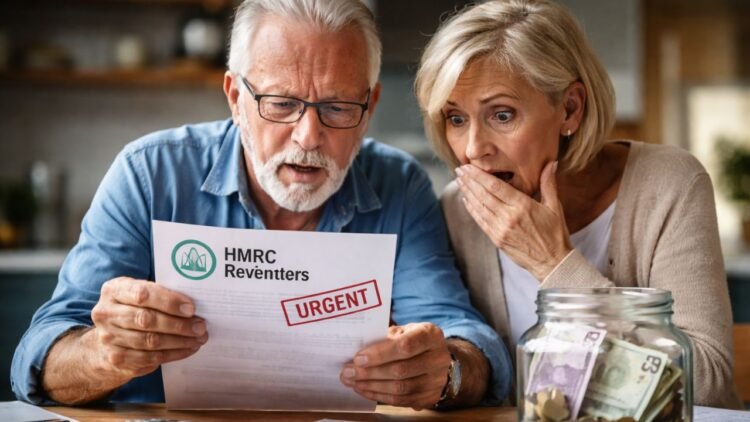
A new HMRC notice targeting pensioners with £3,000+ savings has sparked concern across the United Kingdom. Many older residents are now receiving official letters asking them to review their income, savings interest, and tax position. If you are retired or approaching retirement, understanding this update is essential to avoid unexpected tax bills or penalties.
This article explains why the notice has been issued, who may be affected, how savings interest is taxed, and what pensioners should do next. We also provide a helpful table and clear answers to common questions.
Why HMRC Is Contacting Pensioners
Increased Focus on Savings Interest

In recent years, higher interest rates have meant that many pensioners are earning more from their savings accounts. While savings interest might appear small at first glance, rising rates have pushed some retirees above tax-free thresholds.
HM Revenue & Customs (HMRC) has begun reviewing cases where pensioners hold £3,000 or more in savings, particularly where savings interest may not have been properly declared or taxed.
The key issue is not simply the amount saved, but the interest earned on those savings.
Data Sharing From Banks and Building Societies

Banks and financial institutions automatically report interest payments to HMRC. If the reported interest suggests a pensioner may owe tax, HMRC can issue a notice requesting clarification or adjustment.
This recent HMRC compliance campaign involving pensioners with over £3,000 savings is largely data-driven.
How Savings Interest Is Taxed in the UK
To understand whether you are affected, it is important to know how savings interest works under current UK tax rules.
Personal Savings Allowance

The Personal Savings Allowance (PSA) allows individuals to earn a certain amount of savings interest tax-free each year.
The allowance depends on your income tax band:
Table: Savings Interest Tax Rules for Pensioners
Tax Band | Income Range | Personal Savings Allowance | Tax on Interest Above Allowance
Basic Rate (20%) | Up to £50,270 | £1,000 | 20%
Higher Rate (40%) | £50,271–£125,140 | £500 | 40%
Additional Rate (45%) | Over £125,140 | £0 | 45%
For many pensioners receiving a state pension and modest private pension income, they fall within the basic rate band. However, rising interest rates have meant that even moderate savings balances can generate more than £1,000 in annual interest.
Example Scenario
A pensioner with £30,000 in savings earning 4% interest would receive £1,200 in interest annually. If they are a basic-rate taxpayer, £1,000 would be tax-free, but £200 would be taxable at 20%.
HMRC may adjust tax codes automatically or request payment if tax is owed.
Why the £3,000 Savings Threshold Matters
It is important to clarify that HMRC is not taxing the savings amount itself. The focus is on potential undeclared or untaxed interest.
The £3,000+ savings figure appears to be part of a targeted review campaign aimed at pensioners who may:
• Have multiple savings accounts
• Receive higher interest due to rate increases
• Not submit a self-assessment tax return
• Have tax codes that do not reflect savings income
Even smaller savings amounts can generate taxable interest depending on rates.
Impact on Pensioners Receiving State Pension
State Pension and Tax
The UK State Pension is taxable income, even though it is paid without tax being deducted at source. Many pensioners only realise this when their total income exceeds their Personal Allowance.
For the 2024/25 tax year, the Personal Allowance remains at £12,570. If total income from the State Pension, private pensions, and savings interest exceeds this threshold, tax may be due.
Combined Income Risk
A common situation involves:
• Full new State Pension
• Small workplace or private pension
• Savings interest exceeding £1,000
When combined, this can push pensioners into taxable territory.
What to Do If You Receive an HMRC Notice
If you receive a letter referencing HMRC pensioner savings review over £3,000, do not panic. It does not automatically mean you owe money.
Follow these steps:
1. Check the Details Carefully
Review the tax year mentioned. HMRC notices typically relate to specific tax years.
2. Gather Financial Documents
Collect:
• Bank statements
• Annual interest summaries
• Pension income statements
• P60 or coding notices
3. Compare With Your Tax Code
Sometimes HMRC adjusts tax codes to collect unpaid savings tax automatically. Ensure the figures used are accurate.
4. Respond Promptly
Ignoring an HMRC notice can lead to penalties. If you disagree with the calculation, you can contact HMRC directly or seek advice from a tax professional.
Common Misunderstandings
Savings Are Not Being Seized
There is no policy allowing HMRC to confiscate pensioners’ savings simply for having over £3,000. The review focuses on correct tax reporting.
It Is Not a New Savings Tax
This is not a newly introduced tax. The rules around savings interest have existed for years. What has changed is the level of interest being earned due to higher rates.
Not All Pensioners Will Be Affected
Many pensioners remain fully within tax-free limits. Those with lower savings or ISA accounts may not owe anything.
How ISAs and Tax-Free Accounts Help
Interest earned within an Individual Savings Account (ISA) is tax-free. Pensioners who hold savings in cash ISAs are protected from additional tax on that interest.
For those concerned about future HMRC pension savings checks, reviewing savings structure can help:
• Use ISA allowances
• Monitor annual interest earnings
• Keep track of tax band changes
Planning Ahead for 2025 and Beyond
With interest rates remaining elevated compared to previous years, savings interest may continue to rise.
Pensioners should:
• Estimate projected annual interest
• Understand how it interacts with State Pension
• Monitor HMRC coding notices
• Consider tax-efficient savings strategies
Staying informed reduces the risk of surprise tax bills.
Conclusion
The new HMRC notice targeting pensioners with £3,000+ savings is part of a broader compliance effort to ensure savings interest is correctly taxed. The savings amount itself is not being taxed, but rising interest rates mean more pensioners may exceed their Personal Savings Allowance.
If you receive a letter, review it carefully, check your financial records, and respond appropriately. Most cases involve small adjustments rather than major penalties.
Understanding how savings interest, State Pension income, and tax allowances interact is essential for financial peace of mind in retirement. Proactive planning can help pensioners avoid unexpected tax complications while protecting their hard-earned savings.
FAQs
Is HMRC taxing pensioners just for having £3,000 in savings?
No. HMRC is reviewing whether savings interest has been properly taxed. The savings amount itself is not taxed.
Will I have to complete a self-assessment tax return?
Not necessarily. Many cases are handled through tax code adjustments. HMRC will inform you if a return is required.
How can I reduce tax on savings interest?
Using ISAs, monitoring interest earnings, and ensuring accurate tax codes can help reduce or manage savings interest tax liability.